
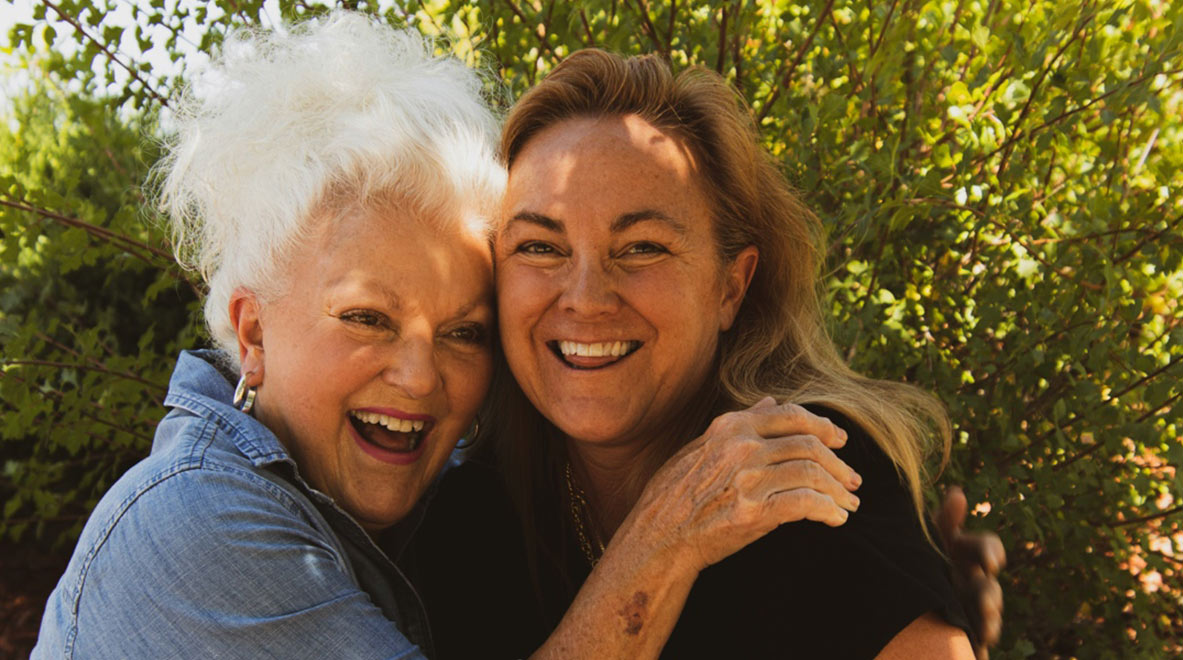
For older adults, the conversation is personal because their independence is tied to their ability to make decisions. Even when family concerns stem from love, conversations about moving to senior living can be uncomfortable or emotionally charged, especially when a loved one feels defensive.
For adult children and family members, the conversation can feel just as challenging. They worry about sounding pushy or disrespectful when they’re concerned about safety, isolation, or the increasing responsibility of managing a house and daily routines.
Because of these feelings, these conversations are often delayed or avoided, or they occur during moments of frustration or crisis, which rarely lead to productive discussions.
However, when conversations about Independent Living are approached thoughtfully, they can be respectful and avoid framing it as what’s “given up.” Instead, they can be open and warm, focusing on their loved one’s lifestyle preferences and what they want moving forward.
Why Conversations Feel So Personal
Conversations about Independent Living aren’t just about moving. They usually touch on deeper fears and emotions that families may not immediately recognize or know how to talk about.
For older adults, staying independent means much more than just living in their current home. It involves autonomy, familiarity, competence, and control over their daily lives. Even a casual suggestion to consider other living options can feel unsettling if it’s seen as losing freedom or becoming dependent on others.
Family history and relationship dynamics can also shape these conversations.
- Parents who care for others might find it difficult to accept support for themselves.
- Adult children may feel torn between honoring a loved one’s wishes and voicing concerns they consider important.
- And in some families, long-standing communication patterns or sibling disagreements can add extra stress to already emotional topics.
There is also a difference in how older adults and family members may perceive Independent Living. Adult children might see opportunities for connection, convenience, fewer household chores, and peace of mind.
Meanwhile, an older parent might only hear the word “move” and immediately think about leaving behind routines, familiarity, and a place they call home. Remember that moving is widely recognized as one of life’s more stressful experiences at any age. For older adults, discussions about moving can also bring up additional feelings related to independence, familiarity, routines, and identity.
Understanding these additional feelings can help families approach conversations with more patience, empathy, and respect. Reducing tension isn’t about finding the “perfect” words but about recognizing why the conversation feels tough in the first place.
When Families Disagree About What’s Best
Conversations about Independent Living don’t always lead to immediate agreement, even among close family members. One person might feel it’s time to explore new options, while another might believe nothing needs to change. The older adult may feel ready to simplify daily responsibilities, but adult children could see the decision very differently.
Sometimes disagreements stem from different views on independence, safety, finances, or lifestyle, and may include guilt, stress, or long-standing family dynamics that quietly shape the conversation beneath the surface.
It is also common for family members to move at different emotional speeds. One person may want answers and decisions quickly, while another might need more time to process change and uncertainty. Families have their own dynamics, which can include raising children, work, finances, and longstanding communication patterns.
When disagreements arise, conversations can easily shift from supportive to frustration, pressure, or defensiveness. This is often when communication becomes more difficult and relationships begin to feel strained.
Understanding that disagreement is normal can help families approach these talks with more patience and empathy. The aim isn’t to “win” the debate but to keep communication open enough for everyone to feel heard and involved.
While every family situation is different, certain approaches can help conversations feel less confrontational and more collaborative. Reducing pressure and keeping communication open can make it easier for families to move through the decision-making process together.
What Can Help Families Have Better Conversations
Most adult children aren’t trying to cause conflict. They’re trying to balance their concern, responsibility, and respect for someone they love. Conversations about Independent Living tend to go more smoothly when older adults feel included instead of pressured.
Some approaches that may help include:
• Listen first instead of leading with fear.
• Bring up the conversation before stress or frustration builds.
• Allow time for multiple discussions instead of pushing for immediate decisions.
• Discuss lifestyle, connection, daily quality of life, and not just safety or limitations.
• Ask what matters most to their loved one and involve them in decisions.
• Talk directly with your loved one instead of talking “about” them.
In many cases, viewing Independent Living as a shared journey rather than a forced decision can help reduce defensiveness and make conversations more productive for everyone involved.
A Final Thought
Discussions about Independent Living rarely focus solely on moving. They also involve change, relationships, and the desire to be heard and respected during a significant life transition.
While every family’s situation differs, approaching these discussions with patience, openness, and teamwork can help lessen conflict and make decisions feel less overwhelming.
At Senior Housing Managers, we are dedicated to enhancing the lives of those we serve.
Families are encouraged to explore options, contact us with questions, and learn more about what Independent Living can offer in a supportive environment.
By Jeanne Bellew and Carl Mason